
Visit · A place you can go
The Railway Museum
鉄道博物館
The Railway Museum in brief
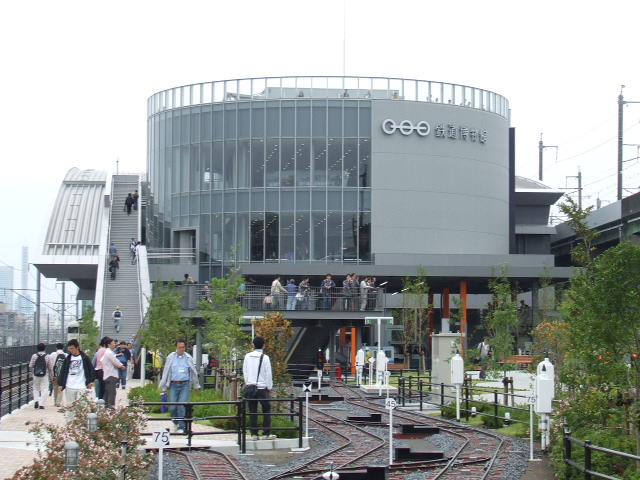
The Railway Museum (鉄道博物館, Tetsudō Hakubutsukan) is a railway museum in Saitama, Saitama, Japan, which opened on 14 October 2007. It was built and is operated by the East Japan Railway Culture Foundation, a non-profit subsidiary of the East Japan Railway Company (JR East). It consists of a 19,800 m2 building on a site covering 42,500 m2, with a display area 9,500 m2 in size.
What to see
- Facility — The museum places emphasis on learning through interactive experiences and is mainly divided into two zones: the history zone and the learning zone.
- Locomotives — Class 150 steam locomotive – No.
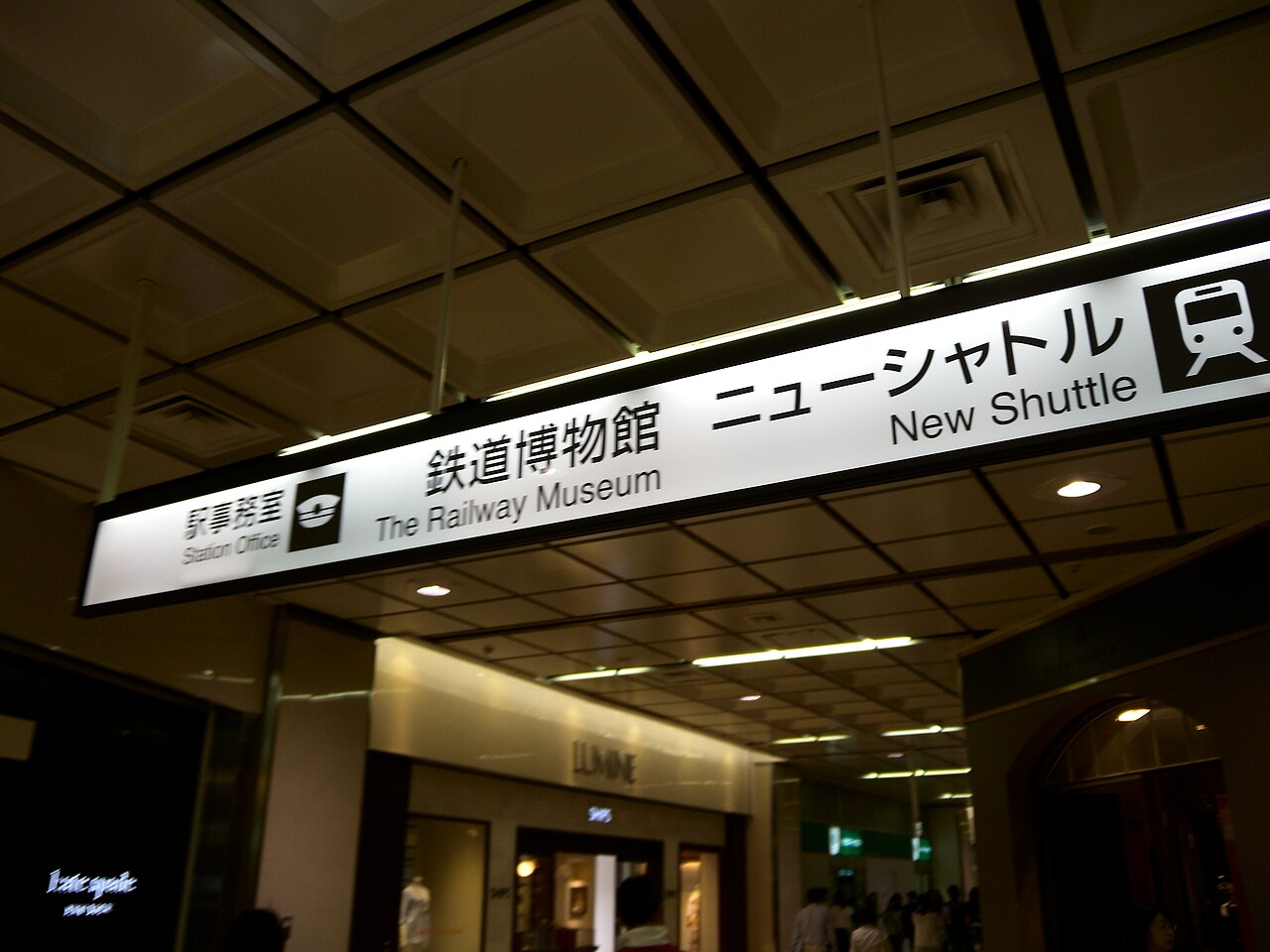
- Access — The museum is located adjacent to Tetsudō-Hakubutsukan Station on the New Shuttle people mover, one stop from Ōmiya Station, a hub station of the JR East system.
About The Railway Museum
The museum features about 30 railway cars, train cab simulators, railway model dioramas, mini trains, storage for artifacts and books, video booths, a multi-purpose hall, a gallery balcony, a cafeteria, a museum shop, and a research room.
Facility
The museum places emphasis on learning through interactive experiences and is mainly divided into two zones: the history zone and the learning zone. The history zone recounts the history of railway technology with the help of trains that were in service in the past. In the learning zone, visitors can gain knowledge of the principles and mechanisms of railway with the use of actual parts and models. The tour of the museum takes roughly two hours with extra time for interactive exhibits.
A library room, known as the "Teppaku Reading Room" opened on 21 July 2012 in the remodelled North Wing of the museum.
History
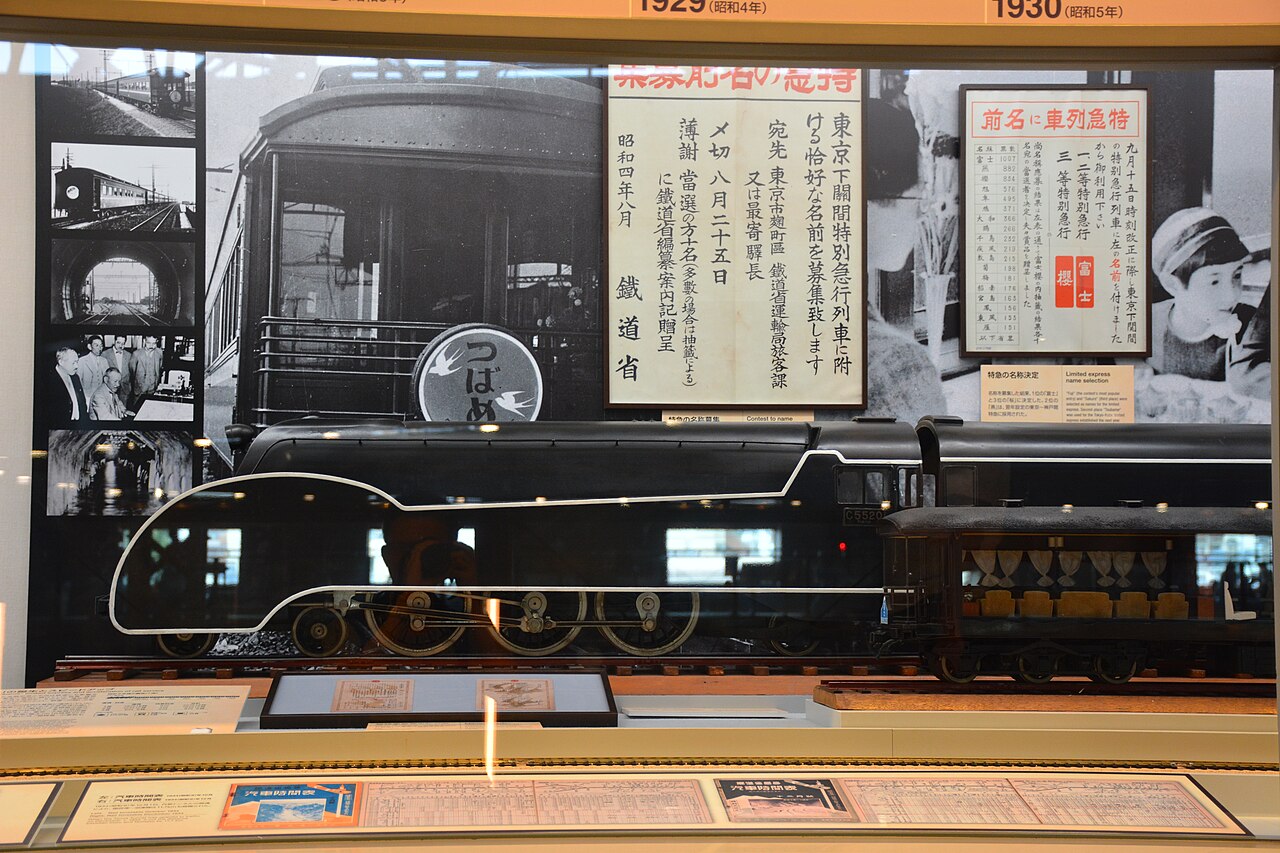
The present Railway Museum is the successor to the Transportation Museum (交通博物館, Kōtsū Hakubutsukan) in Chiyoda, Tokyo. This museum also opened as the Railway Museum under the elevated railway track near Tokyo Station celebrating the beginning of the 50th year of the railways in Japan on 14 October 1921. In 1936, the Railway Museum was relocated to the new facility built in the place of former building of Manseibashi Station, which station continued to operate until 1943 as an accessory of the museum. The museum was renamed the Transportation Museum in 1948 to cover various means of transportation. On 14 May 2006, the museum was closed pending a move to the new Railway Museum in Saitama.
In November 2012, it was announced that the Railway Museum would form a sister-museum alliance with the National Railway Museum in York, England.
Driving simulators
The museum features driving simulators that allow visitors to experience being drivers of a D51 steam locomotive, an E5 Shinkansen train, and trains on the Tokaido Line, the Keihin Tohoku Line, and the Yamanote Line. Simulators require a reservation obtained via reservation terminals installed in the museum and cost 600 yen. The D51 simulator is appropriate for junior high school students and older, the other simulators allow elementary school students as well.
Locomotives
Class 150 steam locomotive – No. 1, the first locomotive to operate in Japan
Class 1290 steam locomotive – No. 1292 Zenko
JNR Class 7100 steam locomotive – No. 7101 Benkei
JNR Class 9850 Mallet steam locomotive – No. 9856, cut away to show internal workings
JNR Class C51 steam locomotive – No. C51 5
JNR Class C57 steam locomotive – No. C57 135, the locomotive that hauled the last scheduled steam service in 1975
Class DD13 diesel locomotive – No. DD13 1
Class ED17 electric locomotive – No. ED17 1
Class ED40 electric locomotive – No. ED40 10
Class EF55 electric locomotive – No. EF55 1 (since 12 April 2015)
Class EF58 electric locomotive – No. EF58 89
Class EF66 electric locomotive – No. EF66 11
Class ED75 electric locomotive – No. ED75 775
Electric railcars
Hanifu1 passenger and luggage carriage (formerly car De963)
Class Nade 6110 electric railcar – No. Nade 6141
Class Kumoha 40 electric railcar – No. Kumoha 40074
101 series electric multiple unit car – No. Kumoha 101-902
181 series electric multiple unit car – No. Kuha 181-45
455 series electric multiple unit car – No. Kumoha 455-1
485 series electric multiple unit car – No. Kuha 481-26
485 series electric multiple unit car – No. Moha 484-61
0 Series Shinkansen car – No. 21-25 (cab section only)
Diesel railcars
Class KiHa 41300 railcar – No. KiHa 41056
Class KiHa 11 railcar – No. KiHa 11 25
Passenger carriages
31 series passenger carriage – No. Oha 31026
Maite 39 passenger carriage – No. Maite 39 11
20 series sleeping car – No. Nahanefu 22 1
Imperial carriages
Imperial Carriage No. 1 – first one of the cars so numbered
Imperial Carriage No. 2 – first one of the cars so numbered
Freight vehicles
The English class names of the cars and locomotives listed above are largely based on the English version of Floor Guide of the museum as of October 2007.
Access
The museum is located adjacent to Tetsudō-Hakubutsukan Station on the New Shuttle people mover, one stop from Ōmiya Station, a hub station of the JR East system. The museum has a limited number of parking spaces.
Extension
A new four-storey extension south building opened in summer 2018. Originally planned to be a five-storey structure opening in autumn 2017, the plans were revised and scaled down in 2016 to reduce excessive costs.
Text adapted from Wikipedia (“Railway Museum (Saitama)”), published under CC BY-SA 4.0. Source article
At a glance
- Typerailway museum, history museum, corporate museum
- MunicipalityŌnarichō
- Address〒330-0852 埼玉県さいたま市大宮区大成町3-47
- Coordinates35.92056, 139.61833 · Open in Google Maps
- Official websitehttps://www.railway-museum.jp/
About the photograph
The photograph above is the Wikimedia Commons file “The Railway Museum Park Zone 20071014 (1).jpg”, credited to Lover of Romance and published under CC BY-SA 3.0. Its Commons description reads: “The Railway Museum in Saitama, Saitama Prefecture, Japan.” It is a reference photograph; conditions, displays and surroundings change, and it may not show the site as a visitor finds it today.
Sources and next steps
Opening times, exhibits and access can change. For a current visit plan, use the official website linked below. Facts and structured data: Wikidata (CC0). Article text adapted from Wikipedia under CC BY-SA 4.0 — see the credit in the article above.
- Wikidata: Railway Museum (Q846106)
- Wikimedia Commons: The Railway Museum Park Zone 20071014 (1).jpg
- Official website (carried by the record)
Plan a visit
| Location | 3-47 Ōnari-chō, Ōmiya-ku, Saitama City, Saitama |
|---|---|
| Getting there | Tetsudō-Hakubutsukan Station on the New Shuttle, one stop from Ōmiya Station; the museum stands next to the station. |
| Official site | https://www.railway-museum.jp/ |
| Hours & fees | Not carried here — check the official site for opening days, hours and ticket arrangements before you go. |
What you can see
Around thirty real railway vehicles fill the main hall, from Japan's first locomotive and a cut-away steam locomotive that shows its own insides to a 0 Series Shinkansen nose. Around them sit driving simulators for a D51 steam locomotive, an E5 Shinkansen and ordinary commuter lines, large model-railway dioramas, mini trains you can ride, and booths that break journeys into sound, video and paper records. The museum is run by the JR East cultural foundation and opened in 2007 on the site of a working rolling-stock centre, so the collection is not a random attic: it is the industry's own memory, arranged so a child and an engineer can both find a way in.
How to read the technology
Use the two zones as a reading method. The history zone answers 'what changed, and when' — boiler pressure, electric motors, diesel, then the Shinkansen's jump to a dedicated high-speed railway. The learning zone answers 'how does it work at all', with real parts and models for brakes, signals, pantographs and bogies. A good route is to pick one vehicle in the history zone, then go and find its moving principle explained in the learning zone. The cut-away steam locomotive is the single best exhibit for this: you can see exactly where fire, water, steam and piston each do their job.
Before you go
The full tour takes roughly two hours, and longer if you queue for simulators, which are booked through terminals inside the museum and are popular at weekends. The museum is the successor of the old Transportation Museum that stood near Manseibashi in Tokyo until 2006, so some exhibits deliberately quote that older collection. Photography rules, simulator age limits and closing days change, so confirm them on the official site rather than in any guide — including this one.


- DiscoverRailway museum in Saitama, Saitama, Japan
- NoticeThe Railway Museum in Saitama, Saitama Prefecture, Japan
- RememberSaitama
Exhibits, opening times and access can change. Check the official website before you travel.
Photograph: The_Railway_Museum_Park_Zone_20071014_(1).jpg by Lover of Romance · CC BY-SA 3.0 (Wikimedia Commons; hosted on this site)
Keep exploring
- East Japan Railway Company — Same theme: Rail engineering
- Enoshima Electric Railway — Same theme: Rail engineering
- Japanese National Railways — Same theme: Rail engineering
- Keisei Electric Railway — The makers behind it: a maker in the same field (Rail engineering)
- Ministry of Railways — The makers behind it: a maker in the same field (Rail engineering)
Official source · Source checked 2026-10-30 · Original English guide