
Visit · A place you can go
Osaka Science Museum
大阪市立科学館
Osaka Science Museum in brief
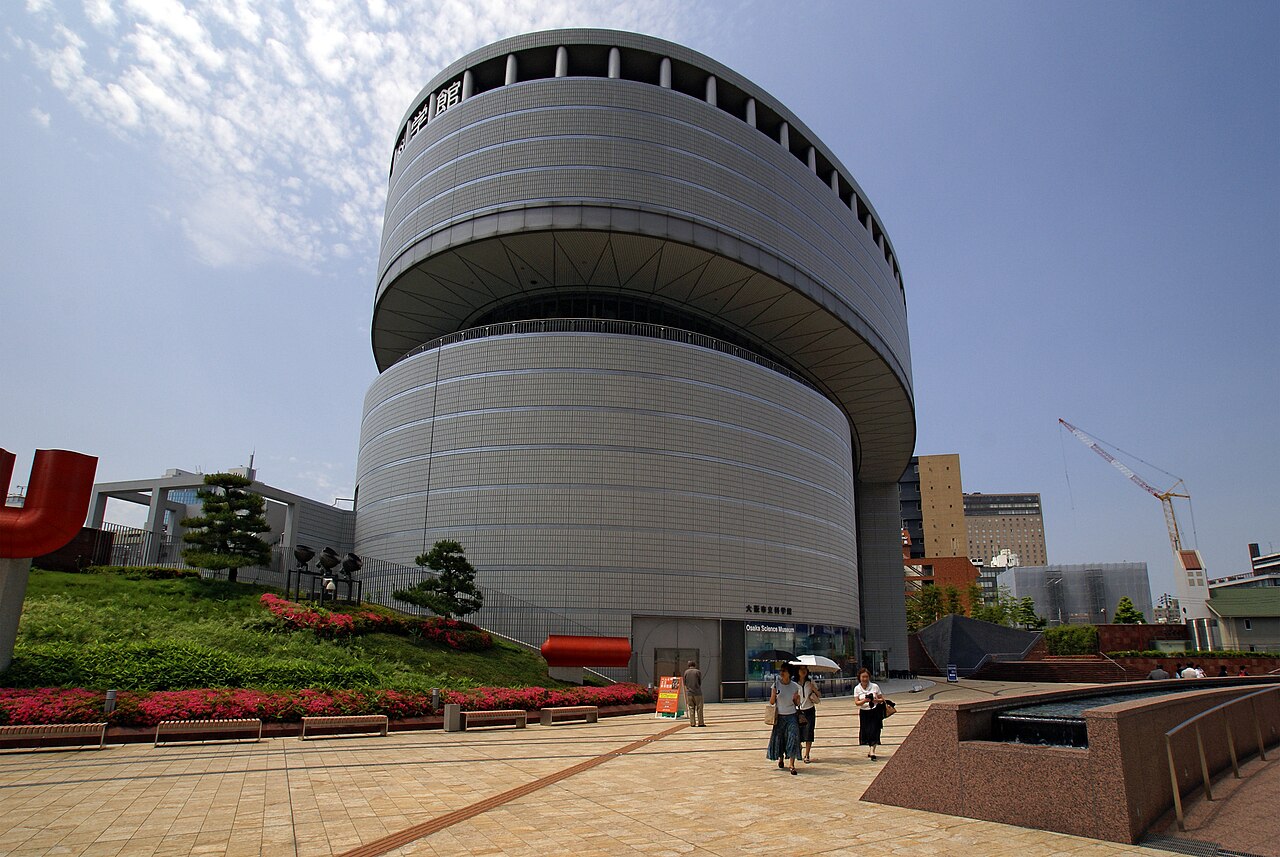
The Osaka Science Museum (大阪市立科学館, Ōsaka Shiritsu Kagakukan) is a science museum in Naka-no-shima, Kita-ku, Osaka, Japan. The museum is located between the Dōjima River and the Tosabori River, above Osaka's subterranean National Museum of Art. Opened in 1989, the museum was constructed to mark the 100th anniversary of Osaka City.
What to see
- Transport access — Keihan Electric Railway Nakanoshima Line Watanabebashi Station — Around 300m west Osaka Municipal Subway Yotsubashi Line Higobashi Station — Around 500m west Hanshin Electric Railway Main Line…
- The two secondary exhibits, both available separately from the primary exhibit, are a planetarium, which has a dome with a radius of 26.5 meters, the 7th largest in the world which projects the images of the heavens.
About Osaka Science Museum
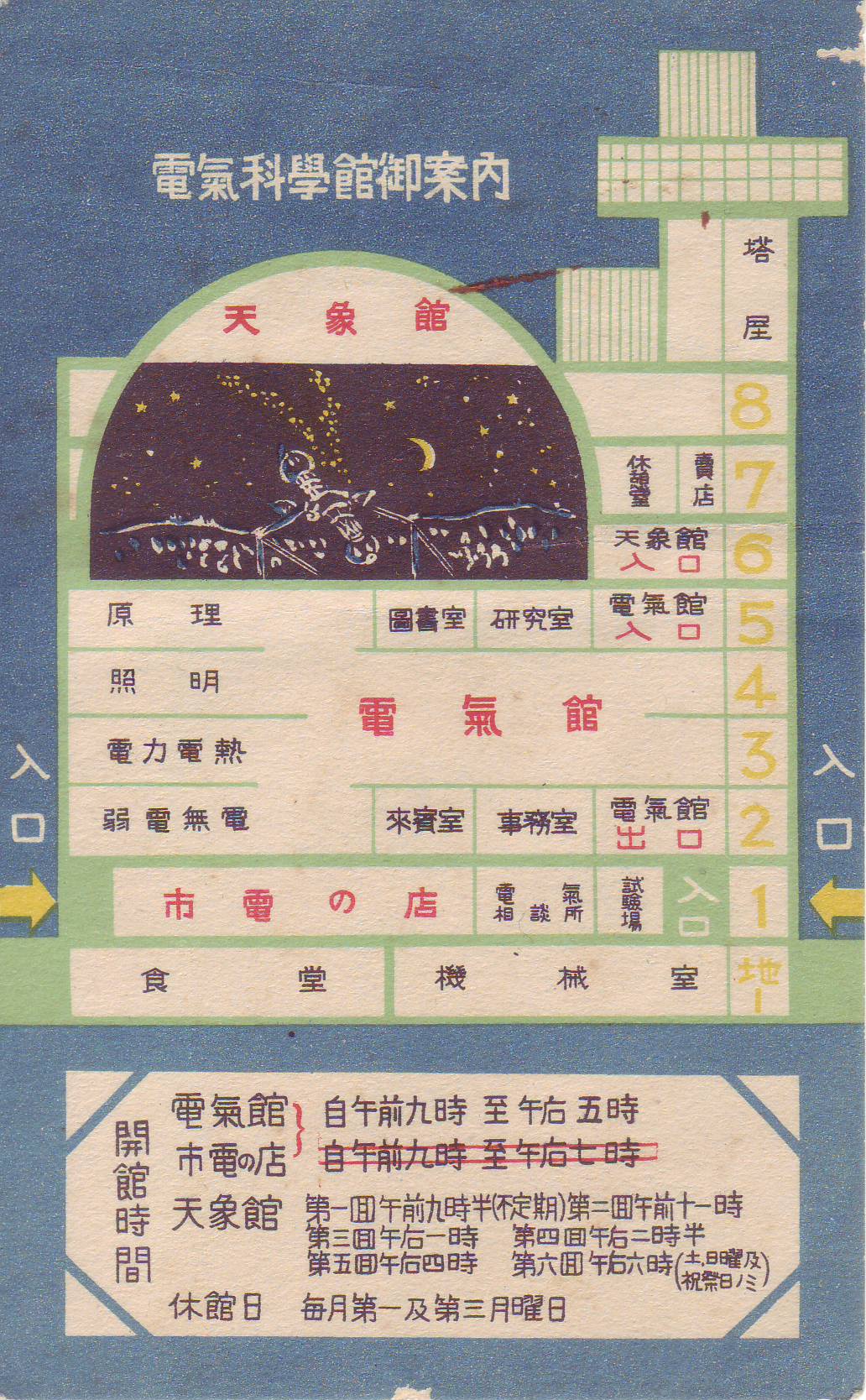
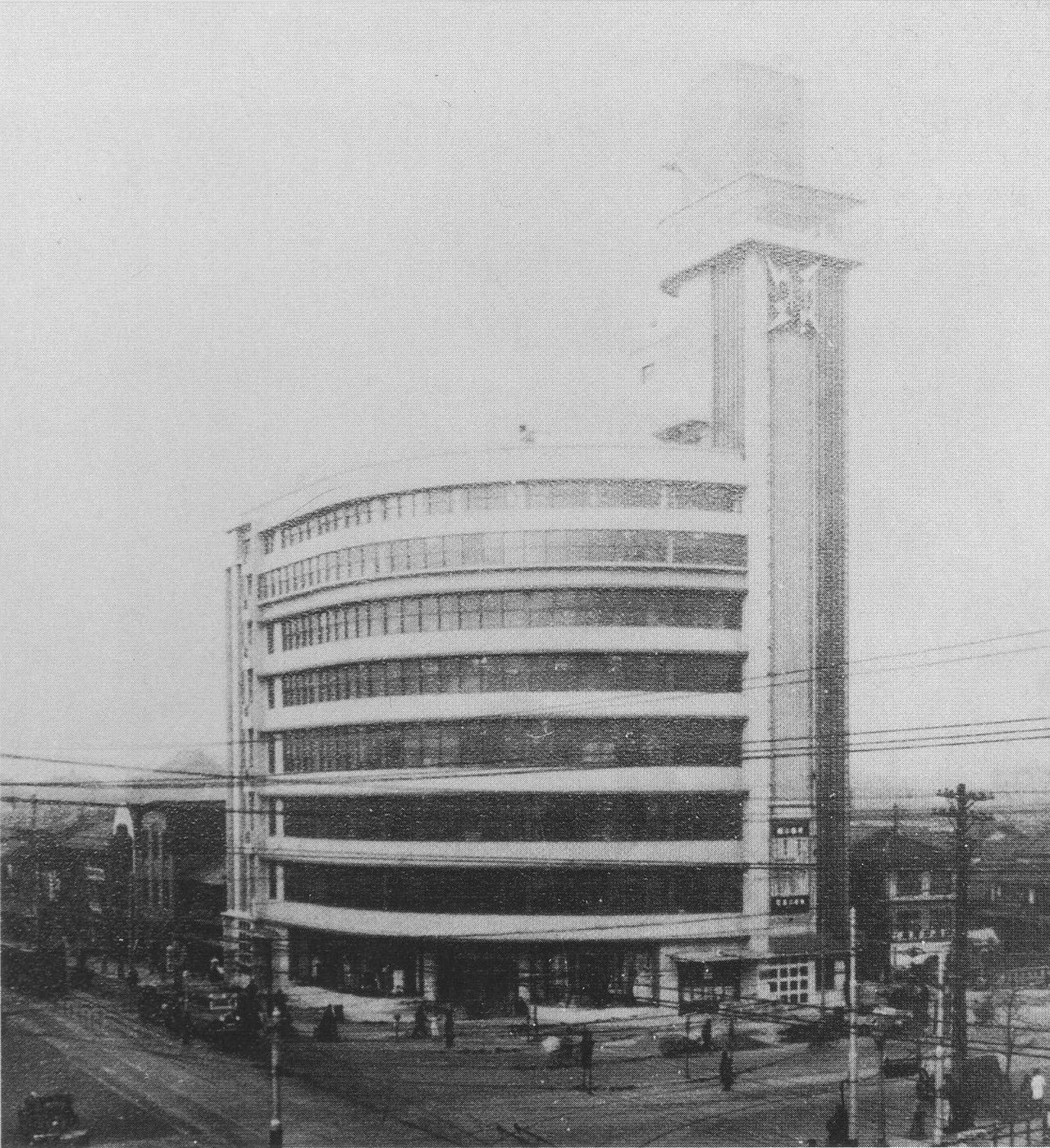
The construction was funded through a 6.5 billion yen donation toward building costs from Kansai Electric. Its theme is "The Universe and Energy". Before the war a similar museum opened in 1937. It was known as the Osaka City Electricity Science Museum and it was both the first science museum and the first planetarium in Japan.
The Science Museum's primary permanent exhibition consists of four floors of mainly interactive science exhibits, totaling 200 items, with each floor focusing on a different theme. There is also a live science show with science demonstrations several times per day. Like the rest of the museum, these demonstrations are in Japanese only and visitors may require prior scientific knowledge to enjoy them.
The two secondary exhibits, both available separately from the primary exhibit, are a planetarium, which has a dome with a radius of 26.5 meters, the 7th largest in the world which projects the images of the heavens. In July 2004, the planetarium reopened after a renovation displaying the entire night sky as a next-generation digital image.
The museum also houses a collection of scientific resources, including
Japan's first planetarium (a Carl Zeiss II model)
resources related to Seimikyoku, Japan's first full-fledged chemistry laboratory
Its collection of books and magazines for a general audience, largely on astronomy, is the most comprehensive in West Japan.
The science building is the place where Hideki Yukawa created his theory on mesons, for which he was awarded a Nobel Prize. At the time this building was part of Osaka University. It was also the first place in Japan where radio waves from the universe were measured.
Curatorial history
Tadao Nakano (first curator, former Osaka City University professor)
Hours of operation
The Science Museum's official hours of operation are 9:30 to 17:00. It is closed on Mondays, but makes exceptions for national holidays. It is also closed for maintenance between December 28 and January 4.
Transport access
Keihan Electric Railway Nakanoshima Line Watanabebashi Station — Around 300m west
Osaka Municipal Subway Yotsubashi Line Higobashi Station — Around 500m west
Hanshin Electric Railway Main Line Fukushima Station — Around 800m south
West Japan Railway Company JR Tōzai Line Shin-Fukushima Station — Around 800m south
Osaka Municipal Subway Midosuji Line and Keihan Electric Railway Keihan Line Yodoyabashi Station — Around 900m west
West Japan Railway Company Osaka Loop Line Fukushima Station — Around 900m south
10 minutes from Osaka Station on Route 53 or 75
10 minutes from Osaka Station on Route 88
5 minutes from Yodoyabashi Station on Route 88
Hokko Kanko Bus Osaka Science Museum / the National Museum of Art, Osaka stop
10 minutes from Yodoyabashi Station on Nakanoshima Loop Bus
Hanshin Expressway Nakanoshima-nishi Exit / Tosabori Exit / Fukushima Exit
Information on the surrounding area
United Church of Christ in Japan Osaka Church
Text adapted from Wikipedia (“Osaka Science Museum”), published under CC BY-SA 4.0. Source article
At a glance
- Typescience museum, facility, planetarium
- Recorded inception1989
- MunicipalityNakanoshima
- Coordinates34.69124, 135.49152 · Open in Google Maps
- Official websitehttps://www.sci-museum.jp/
About the photograph
The photograph above is the Wikimedia Commons file “Osaka science museum01s3200.jpg”, credited to 663highland and published under CC BY 2.5. Its Commons description reads: “Osaka Science Museum in Osaka, Osaka prefecture, Japan.” It is a reference photograph; conditions, displays and surroundings change, and it may not show the site as a visitor finds it today.
Sources and next steps
Opening times, exhibits and access can change. For a current visit plan, use the official website linked below. Facts and structured data: Wikidata (CC0). Article text adapted from Wikipedia under CC BY-SA 4.0 — see the credit in the article above.
- Wikidata: Osaka Science Museum (Q875709)
- Wikimedia Commons: Osaka science museum01s3200.jpg
- Official website (carried by the record)
Plan a visit
| Location | 4-2-1 Nakanoshima, Kita-ku, Osaka |
|---|---|
| Getting there | Watanabebashi Station (Keihan Nakanoshima Line) is the closest; Nakanoshima area is also walkable from Higobashi (Yotsubashi subway line) and from central Osaka. |
| Official site | https://www.sci-museum.jp/ |
| Hours & fees | Not carried here — check the official site for opening days, hours, planetarium schedule and fees before you go. |
What you can see
The museum stands on Nakanoshima, the island between Osaka's two rivers, above a planetarium whose dome anchors the building. Its floors are organised around the universe, chemistry, electricity and energy, and everyday physics: you can generate power by hand, compare how materials conduct, and watch demonstrations designed to be touched rather than watched from behind glass. The planetarium programmes range from the current night sky over Osaka to themed shows, and the science shows run by staff are a local institution in their own right.
How to read the technology
Osaka's museum is strong on the invisible: current, voltage, chemical change and radiation are made legible with meters, models and experiments you operate yourself. A good way through is to follow energy — generate it, convert it, store it, waste it — across the floors, because the exhibits quietly reuse the same small set of physical laws. That repetition is the lesson: most technology is a handful of principles wearing different housings.
Before you go
The museum pairs naturally with the National Museum of Art next door and the rest of Nakanoshima's river walks. Planetarium seats and science-show places are limited, so check the day's schedule on arrival or on the official site beforehand. Confirm closure days — Japanese municipal museums often close on Mondays — before making a special trip.


- DiscoverScience and technology facility recorded by Wikidata
- NoticeRecorded inception: 1989
- RememberOsaka
Exhibits, opening times and access can change. Check the official website before you travel.
Photograph: Osaka_science_museum01s3200.jpg by 663highland · CC BY 2.5 (Wikimedia Commons; hosted on this site)
Keep exploring
- Miraikan — Same theme: Earth, science & museums
- Nagoya City Science Museum — Same theme: Earth, science & museums
- National Museum of Nature and Science — Same theme: Earth, science & museums
- ANA Wings — The makers behind it: a maker in the same region (Kansai)
- Asahi Shimbun Company — The makers behind it: a maker in the same region (Kansai)
Official source · Source checked 2026-10-31 · Original English guide